


-

Add: HeBei ShengShi HongBang Cellulose Technology CO.,LTD.
-

Email
13180486930@163.com -

CONTACT US
+86 13180486930




Introduction to Xylem Fiber Xylem fiber, a natural and renewable resource derived from wood, has gained significant attention in various industries due to its eco-friendly attributes and versatility. This organic flocculent fiber material undergoes a series of chemical treatments and mechanical processing, transforming it into a high-quality product suitable for an array of applications. HeBei ShengShi HongBang Cellulose Technology CO.,LTD. , a leading company in cellulose innovation, has positioned Xylem Fiber as a sustainable alternative to traditional materials, addressing the growing demand for environmentally responsible solutions. Key Features of Xylem Fiber Xylem Fiber is derived from wood cellulose through advanced extraction techniques. The process involves removing lignin and hemicellulose, leaving behind pure cellulose fibers. These fibers are then refined to enhance their mechanical properties. The result is a material with exceptional strength, durability, and biodegradability. Unlike synthetic alternatives, Xylem Fiber is entirely natural, making it an ideal choice for industries prioritizing sustainability. One of the standout features of Xylem Fiber is its adaptability. It can be integrated into various manufacturing processes, from construction to automotive industries. Its unique structure allows it to act as a binding agent, reinforcing materials while reducing the need for non-renewable resources. This dual benefit of performance and environmental responsibility makes Xylem Fiber a versatile solution across sectors. Advantages of Xylem Fiber The advantages of Xylem Fiber are multifaceted. First and foremost, it contributes to environmental sustainability. By replacing traditional materials like synthetic fibers or cement, Xylem Fiber reduces the carbon footprint of manufacturing processes. According to a study by the National Institute of Standards and Technology (NIST) , the integration of natural fibers in construction materials can lower greenhouse gas emissions by up to 30% compared to conventional alternatives. Additionally, Xylem Fiber enhances the mechanical properties of composite materials. In concrete and mortar mixes, it improves tensile strength and resistance to cracking. For example, a 2022 NIST report highlighted that incorporating Xylem Fiber into concrete increased its flexural strength by 15%, demonstrating its potential to revolutionize construction practices. Another significant advantage is its biodegradability. Unlike synthetic fibers, which can persist in the environment for centuries, Xylem Fiber decomposes naturally within months. This makes it an excellent choice for applications such as wood pulp sponges , where disposability and environmental impact are critical concerns. Technical Specifications Table Parameter Specification Fiber Length 1-3 mm Tensile Strength 1.2 GPa Moisture Content ≤ 10% Biodegradability 100% biodegradable in 6-12 months Chemical Resistance Resistant to alkalis, acids, and solvents Application Scenarios Xylem Fiber's versatility is evident in its wide range of applications. In the construction industry, it is used to enhance the properties of gypsum products and medium density fiberboard (MDF) . Its ability to improve workability and structural integrity makes it a preferred choice for manufacturers seeking sustainable alternatives. For instance, MDF panels infused with Xylem Fiber offer superior strength and moisture resistance, making them ideal for furniture and interior design. In the asphalt industry, Xylem Fiber acts as a reinforcing agent. It increases the resilience of asphalt roads, reducing the likelihood of cracks and potholes. This application not only extends the lifespan of roadways but also lowers maintenance costs. According to NIST's 2023 report on infrastructure materials, Xylem Fiber-reinforced asphalt showed a 25% improvement in durability under heavy traffic conditions. Another notable application is in the production of wood pulp sponges. These sponges, made from Xylem Fiber, are biodegradable and eco-friendly, providing a sustainable alternative to plastic-based cleaning products. Their absorbent properties make them suitable for both household and industrial use. Company Background: HeBei ShengShi HongBang Cellulose Technology CO.,LTD. HeBei ShengShi HongBang Cellulose Technology CO.,LTD. is a pioneering company in the development and production of cellulose-based materials. With a focus on innovation and sustainability, the company has established itself as a leader in the cellulose industry. Their commitment to eco-friendly practices is reflected in their state-of-the-art facilities and rigorous quality control processes. HeBei ShengShi HongBang's expertise in cellulose extraction from wood allows them to produce high-quality Xylem Fiber that meets international standards. The company's research and development team continuously explores new applications for their products, ensuring they remain at the forefront of sustainable material innovation. By aligning with global environmental goals, HeBei ShengShi HongBang is driving the transition toward greener technologies. Conclusion Xylem Fiber represents a significant advancement in the field of sustainable materials. Its natural origin, combined with its exceptional properties, makes it a valuable asset for industries seeking to reduce their environmental impact. As highlighted by NIST's research, the integration of Xylem Fiber into manufacturing processes not only enhances product performance but also contributes to a more sustainable future. For businesses looking to adopt eco-friendly solutions, Xylem Fiber offers a compelling option. By partnering with HeBei ShengShi HongBang Cellulose Technology CO.,LTD. , manufacturers can access high-quality, renewable materials that align with global sustainability goals. As the demand for green technologies continues to grow, Xylem Fiber is poised to play a pivotal role in shaping the future of industry and construction. References National Institute of Standards and Technology (NIST) . (2022). "Sustainable Construction Materials: A Review of Natural Fiber Reinforcements." Retrieved from https://www.nist.gov/ NIST . (2023). "Durability of Xylem Fiber-Reinforced Asphalt: A Case Study." Retrieved from https://www.nist.gov/ HeBei ShengShi HongBang Cellulose Technology CO.,LTD. . (n.d.). "Xylem Fiber Product Overview." Retrieved from https://www.sshbhpmc.com/xylem-fiber.html
- 40000tons

Production
- 20+years

Experience
- 5000+㎡

Acreage

-
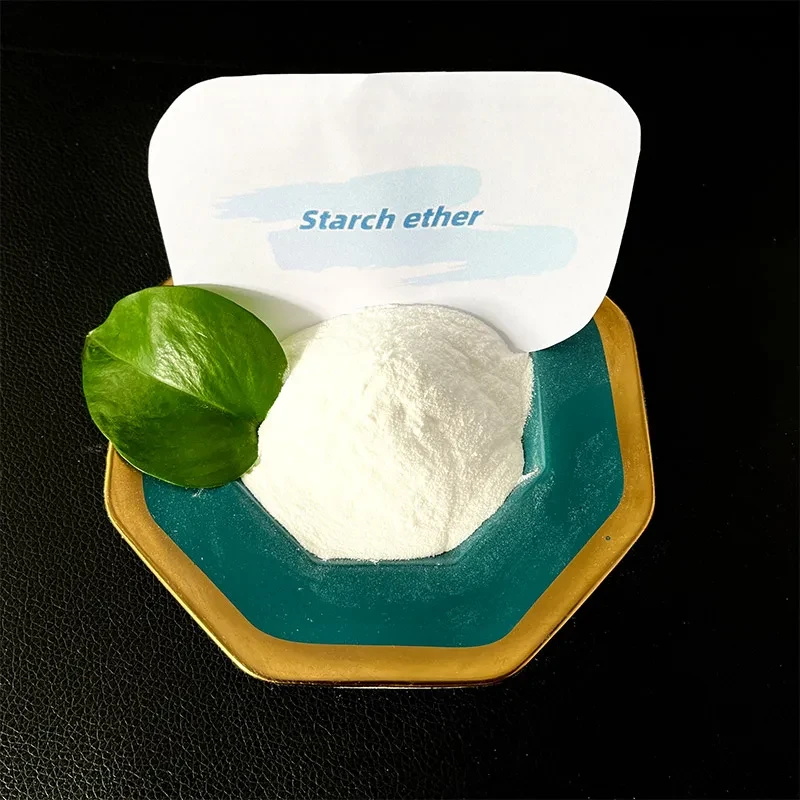
L’idrossipropilmetilcellulosa (HPMC), con il suo grado specifico E5, ha attirato l'attenzione di molti settori, grazie alle sue proprietà uniche, in particolare in ambito farmaceutico e alimentare. La solubilità dell'HPMC E5 in acqua è un tema essenziale per esperti e produttori che cercano di sfruttare appieno il suo potenziale. L'HPMC E5 è noto per la sua eccellente capacità di formare gel e per la sua solubilità variabile che dipende dalla temperatura dell'acqua . A temperature ambiente, l'HPMC E5 si scioglie facilmente, creando una soluzione viscosa. L'aumento della temperatura può influenzare notevolmente la sua solubilità, dato che l'HPMC tende a precipitare se esposto a temperature troppo alte. Questo comportamento unico è sfruttato nei processi industriali per controllare la consistenza e la stabilità delle formulazioni. Gli esperti nel campo dei polimeri riconoscono l'importanza di comprendere le caratteristiche termiche dell'HPMC. Test sperimentali e studi empirici hanno contribuito a delineare un quadro dettagliato della sua solubilità. È stato osservato che, in generale, a temperature inferiori ai 40°C, l'HPMC E5 si dissolve efficientemente, rendendolo ideale per applicazioni che richiedono soluzioni chiare e stabili. Questo suo comportamento è particolarmente apprezzato nell'industria farmaceutica per la produzione di capsule e compresse, dove è fondamentale garantire una dissoluzione coerente e controllata dei principi attivi. La preparazione corretta della soluzione di HPMC E5 è di cruciale importanza per garantire la qualità del prodotto finale. Gli esperti consigliano di aggiungere l'HPMC all'acqua sotto agitazione continua per prevenire la formazione di grumi, seguita da un graduale aumento della temperatura per accelerare la dissoluzione senza superare il punto di intorbidimento. Questa tecnica non solo ottimizza la solubilità, ma mantiene anche l'integrità della soluzione, assicurando così stabilità durante l'intero ciclo di produzione. Nonostante la sua solubilità in acqua, l'HPMC E5 si distingue per la sua stabilità chimica e il suo comportamento inerte, che garantiscono la sicurezza del prodotto in diverse condizioni ambientali e pH. Questo è particolarmente vantaggioso nel settore alimentare per migliorare la consistenza e conservare i nutrienti senza influire sul sapore o sull'aroma. hpmc e5 solubilità in acqua Inoltre, è importante notare che la solubilità dell'HPMC E5 non è influenzata solo dalla temperatura, ma anche dalla qualità dell'acqua. Minerali disciolti e impurità possono alterare la formazione del gel, per cui si raccomanda l'uso di acqua demineralizzata o distillata per ottenere i risultati migliori. Grazie alla sua versatilità e affidabilità, l'HPMC E5 si è affermato come un componente essenziale nei processi di produzione dove la solubilità è una preoccupazione primaria. Le proprietà intrinseche del polimero, combinate con una comprensione approfondita delle condizioni operative ideali, permettono di sviluppare prodotti innovativi e sostenibili che soddisfano gli standard di qualità richiesti dall’industria moderna. Ogni applicazione può richiedere un approccio leggermente diverso per sfruttare necessariamente la solubilità dell'HPMC E5. Fare uso di macchinari avanzati e adottare procedure di controllo qualità migliorano ulteriormente la precisione e l'efficacia dell'uso di questo polimero. Tali pratiche rafforzano non solo la fiducia dei consumatori nei prodotti finiti, ma elevano anche l'intero settore attraverso il rispetto del massimo rigore scientifico e tecnico. In conclusione, la comprensione accurata della solubilità dell'HPMC E5 non è solo un vantaggio tecnologico, ma una necessità per le industrie che cercano di dominare mercati competitivi attraverso l'innovazione e la qualità garantita.
-
The Role of Hydroxypropyl Starch Phosphate in Hair Care Products In recent years, the beauty and personal care industry has witnessed a significant rise in the demand for novel and effective ingredients. Among these, hydroxypropyl starch phosphate (HPSP) has emerged as an intriguing component, particularly in hair care formulations. This versatile ingredient, derived from natural starch, is garnering attention for its multiple benefits and applications in improving hair health and aesthetics. What is Hydroxypropyl Starch Phosphate? Hydroxypropyl starch phosphate is a modified starch that is produced through the chemical modification of natural starches. The process involves introducing hydroxypropyl groups and phosphate esters into the starch molecules. This modification enhances the solubility of the starch in water and provides unique functional properties, making HPSP suitable for various cosmetic applications, including hair care. Benefits for Hair Care 1. Moisture Retention One of the standout features of hydroxypropyl starch phosphate is its ability to retain moisture. Hair that lacks hydration can appear dull, frizzy, and unmanageable. Products containing HPSP can help maintain moisture levels, providing the hair with a soft and smooth texture. This property is particularly beneficial for individuals with dry or damaged hair. 2. Film-Forming Agent HPSP acts as an excellent film-forming agent, creating a protective layer over the hair shaft. This barrier helps shield the hair from environmental stressors such as UV radiation, pollution, and heat damage. Moreover, this film enhances the overall appearance of hair by adding shine and reducing tangling, leading to easier styling. 3. Stabilization and Texture Improvement In addition to cosmetic benefits, hydroxypropyl starch phosphate contributes to the stability and texture of hair care formulations. It helps emulsify oils and water, ensuring a smooth and consistent product . This property is particularly advantageous in shampoos, conditioners, and styling products, where a pleasant texture and stability are vital for consumer satisfaction. hydroxypropyl starch phosphate hair 4. Gentle on Hair Since HPSP is derived from natural starch, it is often considered more gentle compared to synthetic polymers or harsh chemicals. This makes it suitable for sensitive scalps and can be a preferred choice for those looking for gentle yet effective hair care solutions. 5. Enhanced Manageability and Styling Hair products formulated with hydroxypropyl starch phosphate can improve the manageability of hair. By minimizing frizz and enhancing smoothness, HPSP allows for easier combing and styling. Furthermore, the added hold provided by the film-forming properties assists in maintaining hairstyles throughout the day. Applications in Hair Care Products Hydroxypropyl starch phosphate is used in a variety of hair care products, including - Shampoos To improve cleansing efficiency while maintaining moisture and preventing dryness. - Conditioners For detangling, enhancing shine, and providing a protective barrier for each strand. - Hair Masks To deeply nourish and hydrate, leaving the hair feeling soft and rejuvenated. - Styling Products Such as gels and mousses, where it helps to provide hold and control without stiffness. Conclusion As the hair care industry continues to evolve, the incorporation of innovative ingredients like hydroxypropyl starch phosphate underscores the importance of science-backed solutions for hair health. HPSP offers a multifaceted approach to hair care, providing hydration, protection, and improved manageability. For consumers seeking effective and gentle products, those containing hydroxypropyl starch phosphate may represent a promising option—blending tradition with modern advancements in beauty science. As more research and development occur in this field, it's likely that HPSP will continue to be a favored ingredient among formulators aiming to meet the diverse needs of hair care consumers.
advantages
-

200000 Viscosities
Excellent product
We can produce pure products up to 200,000 viscosities
-

40000 tons
High yield
We don’t stop production all year round, and the annual output can reach 40,000 tons
-

24 hours
Quality service
We provide 24-hours online reception service, welcome to consult at any time
———— Inquiry Form
Schedule A services

-
 hpmc_k4m_viscosity
Oct . 25, 2025
Hydroxypropyl methyl cellulose (HPMC) is a synthetic polymer used across varied industries, includin -
 costo_de_fibra_de_polipropileno
Oct . 25, 2025
The formulation of high-performance cement-based renders and plasters demands precision-engineered a -
 plaster_retarder
Oct . 25, 2025
Fiberglass for Concrete Mix Enhancing Strength and Durability Concrete is one of the most widely use


